Open Rhinoplasty in Montreal: When Is This Approach the Best Choice?
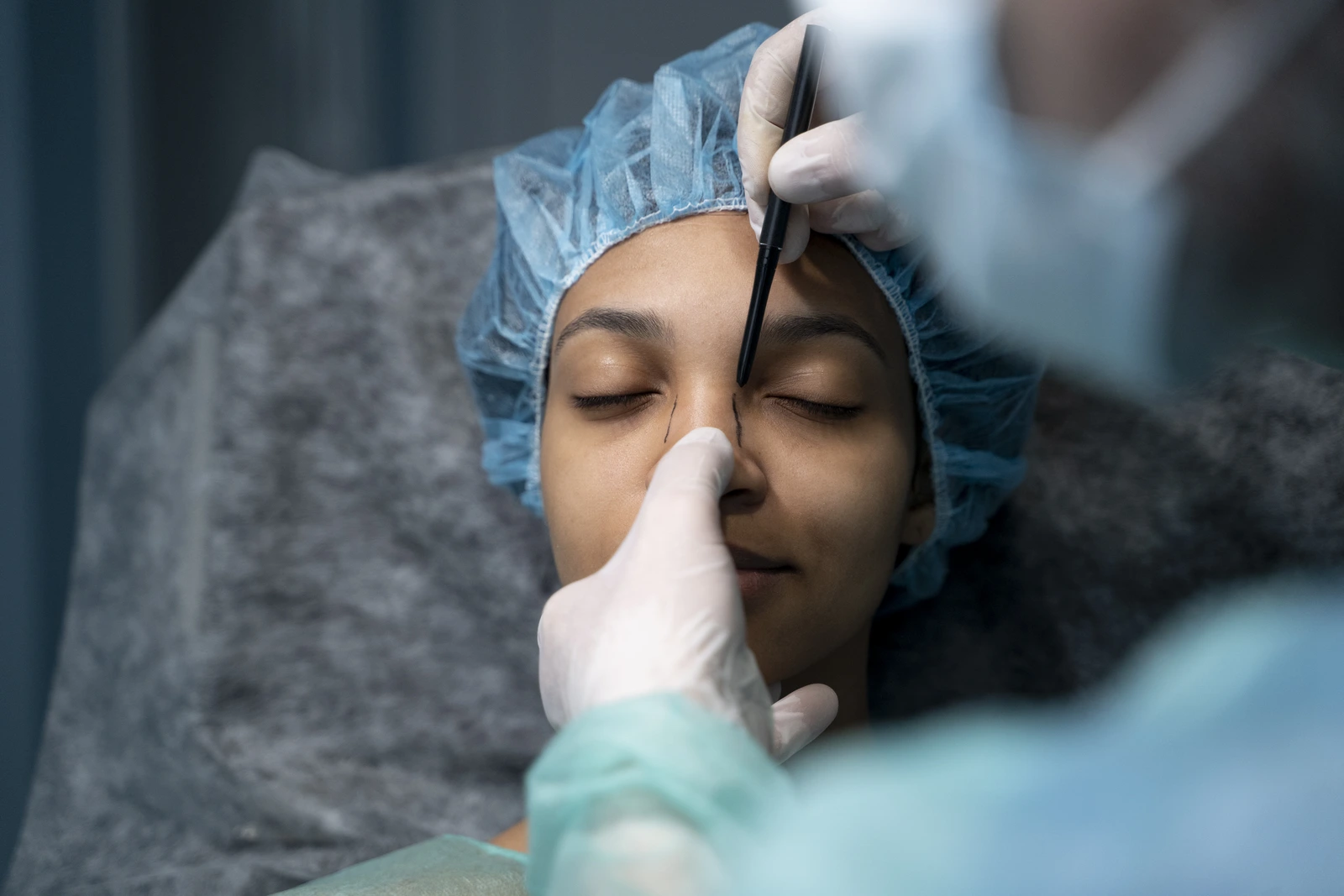
The term “open rhinoplasty” describes the route a surgeon uses to reach the nasal framework. Incisions are made inside the nostrils and joined by a short incision across the columella, the strip of tissue between them. This allows the skin to be lifted so the underlying bone and cartilage can be examined directly.
That additional exposure can be useful when a case requires detailed structural work. It does not mean that every rhinoplasty should be open, nor does it determine whether a result will look subtle or dramatic. The approach is a technical decision based on what needs to be corrected.
Situations that may benefit from an open approach
Open rhinoplasty is often considered when the nasal tip requires substantial reshaping, when marked asymmetry must be corrected, or when grafts and sutures need to be positioned with particular precision. It may also be helpful after trauma, in noses with weak structural support, and during revision rhinoplasty, where scar tissue and altered anatomy can make the operation less predictable.
Direct visibility lets the surgeon compare both sides of the framework and make controlled adjustments. In complex cases, this can make it easier to diagnose the source of a deformity rather than simply camouflage what is visible from the outside.
How it differs from closed rhinoplasty
Closed rhinoplasty is performed entirely through incisions inside the nostrils. It avoids a columellar incision and may involve less dissection, but access is more limited. Closed surgery can work very well for selected bridge and tip changes. Open surgery offers wider exposure when more extensive reconstruction is required.
The idea that one approach is automatically more advanced is misleading. An uncomplicated nose does not necessarily benefit from greater exposure, while a difficult revision may be unnecessarily restrictive through a closed route. The operation should fit the anatomy rather than a marketing label.
The incision and recovery
The columellar incision is placed where it is relatively inconspicuous and generally becomes less noticeable as it matures. Scar quality varies, and sun protection and appropriate aftercare matter during healing.
Swelling is expected after either type of rhinoplasty. With an open approach, tip swelling can persist longer because the soft tissue has been lifted more extensively. Early changes appear as swelling decreases, but fine definition may continue to evolve for a year or more, particularly in thicker skin or revision cases.
Structural work made possible by wider exposure
The open approach can facilitate cartilage grafting, correction of unequal tip cartilages, and reconstruction of a weakened framework. Grafts may come from the septum and sometimes the ear or rib. Their purpose may be aesthetic, functional, or both. Wider exposure does not remove uncertainty: skin thickness, scar formation, cartilage memory, and previous surgery still influence healing. Patients should understand which steps require this access rather than treating “open” as a general claim of superiority.
Choosing the approach
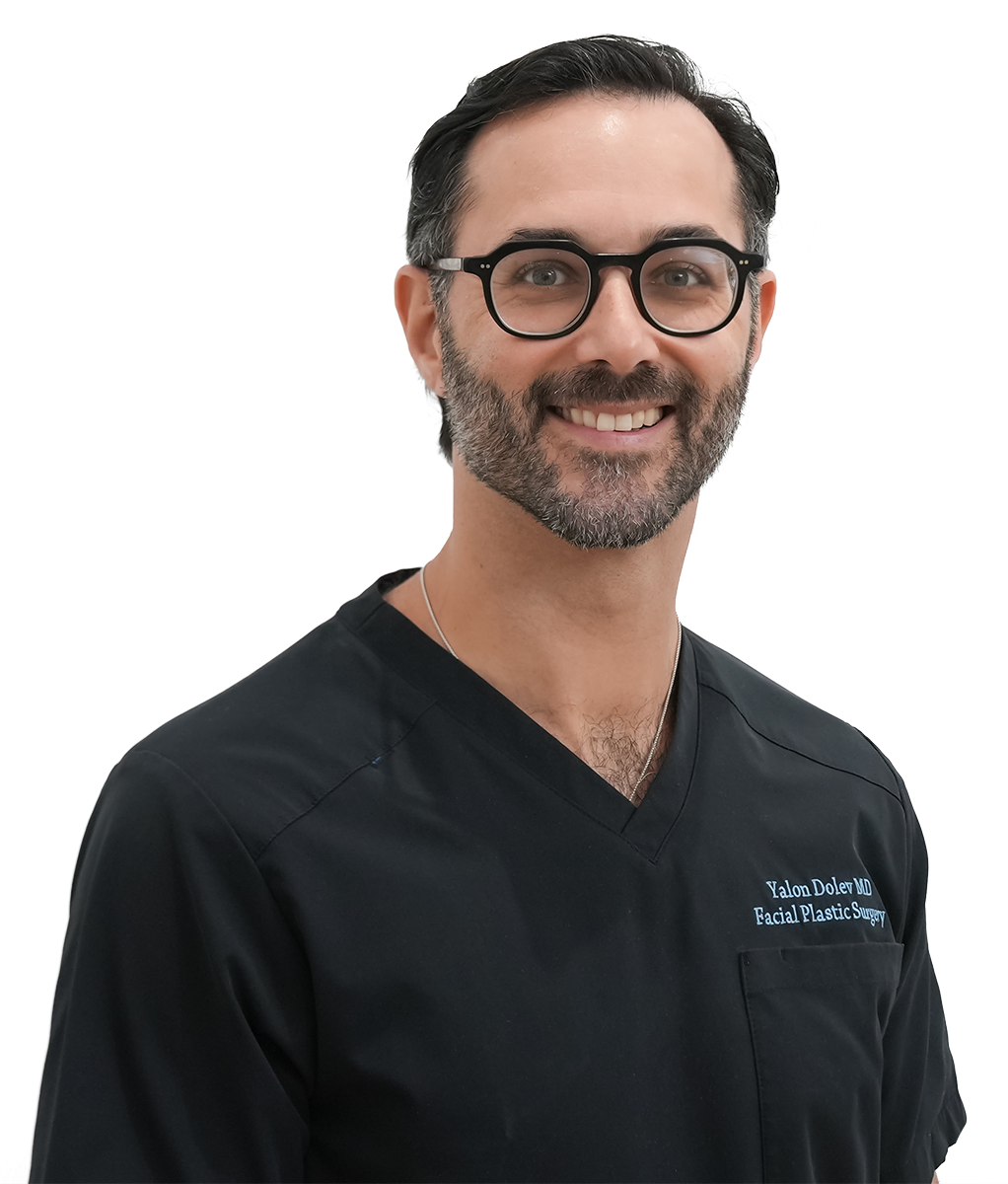
The decision requires an examination of the skin, cartilage, bones, airway, prior surgery, and the changes being requested. Dr. Yalon Dolev selects the operative route according to the level of access and control a case requires, while accounting for both nasal appearance and function.
For patients exploring open rhinoplasty in Montréal, the useful question is not whether open surgery is “better,” but whether it offers a meaningful advantage for the specific work their nose needs.
Is Open Rhinoplasty Appropriate for Your Nose?
Meet with Dr. Yalon Dolev to understand whether the additional exposure of an open approach would benefit your surgical plan.