Deep Plane Facelift in Montreal: Why It Has Become the Gold Standard in Facial Rejuvenation
A deep plane facelift repositions descended facial tissues beneath the superficial muscular and connective layer rather than relying primarily on skin tension. By releasing selected retaining ligaments, the surgeon can move the cheek and lower-face tissues together and redrape the skin with less pull.
The technique may improve jowling, the cheek-to-jaw transition, and lower-face laxity. It is often combined with neck treatment when ageing crosses both regions. It does not directly correct skin texture, every fine line, eyelid changes, or volume loss, so additional procedures are considered only when they address a separate concern.
What the operation does beneath the skin
Ageing involves descent of deeper tissue, skin laxity, and volume redistribution. Deep plane dissection releases selected retaining ligaments so the mobile cheek and lower-face tissues can be repositioned without separating skin as extensively in some regions. Incisions still run around the ear and often into the hairline, and excess skin is redraped and trimmed.
Risks include bleeding, infection, delayed healing, scars, hairline change, asymmetry, sensory alteration, and temporary or permanent weakness from facial nerve injury. Nicotine exposure substantially affects healing risk. Anaesthesia, recovery support, and time away from work remain meaningful considerations despite marketing that presents the technique as effortless.
Is it always the best facelift?
“Gold standard” is a popular phrase, but no technique is ideal for every face. Tissue descent, neck anatomy, facial volume, previous surgery, health, and recovery priorities determine the appropriate operation. A technically deeper dissection also requires detailed knowledge of facial anatomy and carries its own risks.
Swelling, bruising, tightness, numbness, and temporary asymmetry are expected during early healing. The face settles over months, and longevity varies because surgery does not stop ageing.
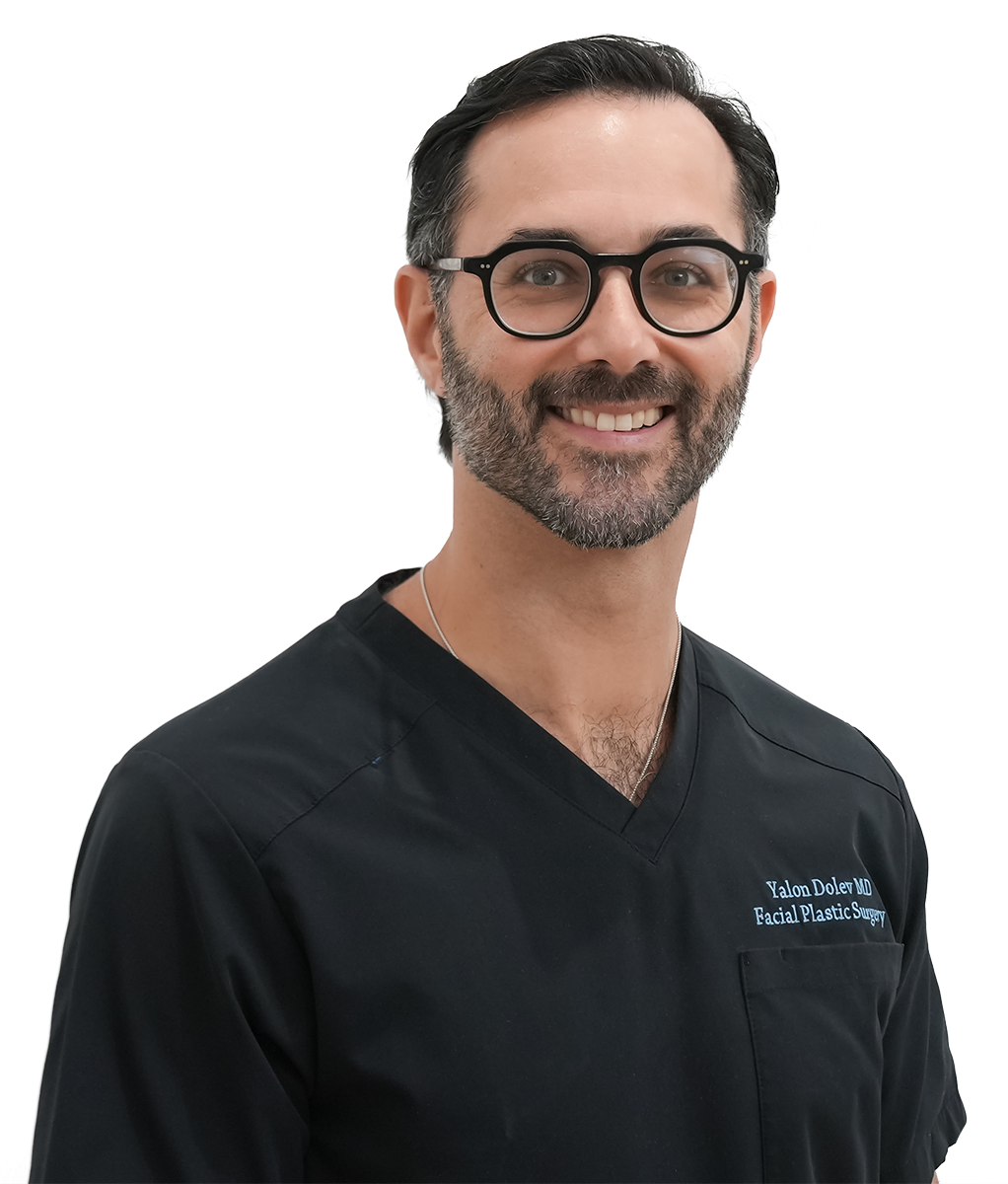
Dr. Yalon Dolev uses deep plane principles when they match the patient’s anatomy and goals. Consultation is the appropriate setting to compare a deep plane facelift with a mini or other facelift approach without choosing by label alone.
Discuss Facial Rejuvenation in Montréal
Schedule a consultation with Dr. Yalon Dolev to learn which facelift approach may best address your pattern of facial ageing.