Facial Fat Transfer in Montreal: A Natural Alternative to Dermal Fillers
Facial ageing is not only a matter of loose skin. The cheeks, temples, and areas around the eyes and mouth can lose volume, changing the contours that once reflected light smoothly. Facial fat transfer uses a patient’s own fat to restore selected areas rather than filling every line individually.
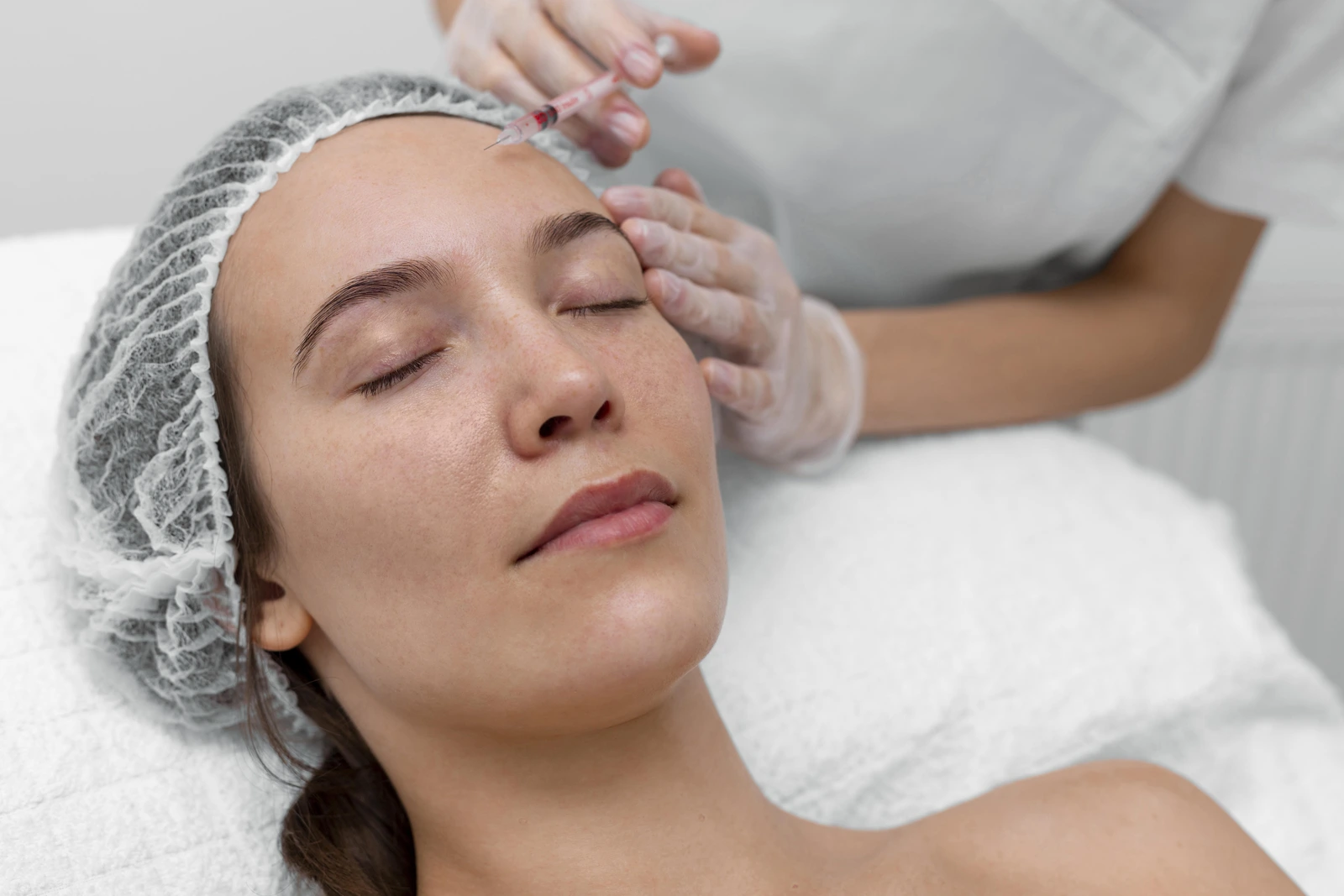
Fat is collected by gentle liposuction, commonly from the abdomen or thighs, then processed and placed in small amounts through fine cannulas. Careful distribution matters: transferred fat needs contact with healthy tissue to establish a blood supply, and facial balance can be affected by only a few millilitres.
How it differs from dermal filler
Fillers are ready-to-use products with predictable placement and no donor-site procedure. They can be useful for modest correction and can often be adjusted over time. Fat transfer involves a surgical harvest and more swelling, but it can treat broader areas with the patient’s own tissue.
Not all transferred fat survives. Some volume is naturally reabsorbed during healing, while the portion that establishes a blood supply may remain long term and change with weight. This makes precise promises about retained volume inappropriate. Additional treatment may occasionally be considered after the result has stabilized.
Candidacy and practical limitations
Very lean patients may not have enough donor fat for the intended correction. Weight instability is also relevant because surviving fat cells can enlarge or shrink with later weight change. Smoking, circulation problems, previous procedures, and medications may affect healing and candidacy.
Fat transfer is not fully reversible in the way some temporary fillers may be adjusted, and placement around the eyes requires particular care. Potential concerns include infection, oil cysts, calcification, prolonged swelling, asymmetry, contour irregularity, and under- or over-correction. Rare but serious vascular complications are part of informed consent for facial injections and grafting.
The volume seen immediately after treatment includes swelling and an allowance for expected resorption. Judging symmetry or retained volume too early can be misleading; the more stable result emerges over several months.
Where fat transfer may help
Common treatment areas include the temples, cheeks, tear-trough region, nasolabial area, and jawline. Suitability depends on available donor fat, skin quality, facial anatomy, and the degree of volume loss. It may be performed alone or alongside facelift surgery when both tissue descent and volume loss contribute to ageing.
Bruising and swelling occur at the face and donor site. Early fullness is not the final outcome; contours become clearer as swelling settles and transferred fat stabilizes.
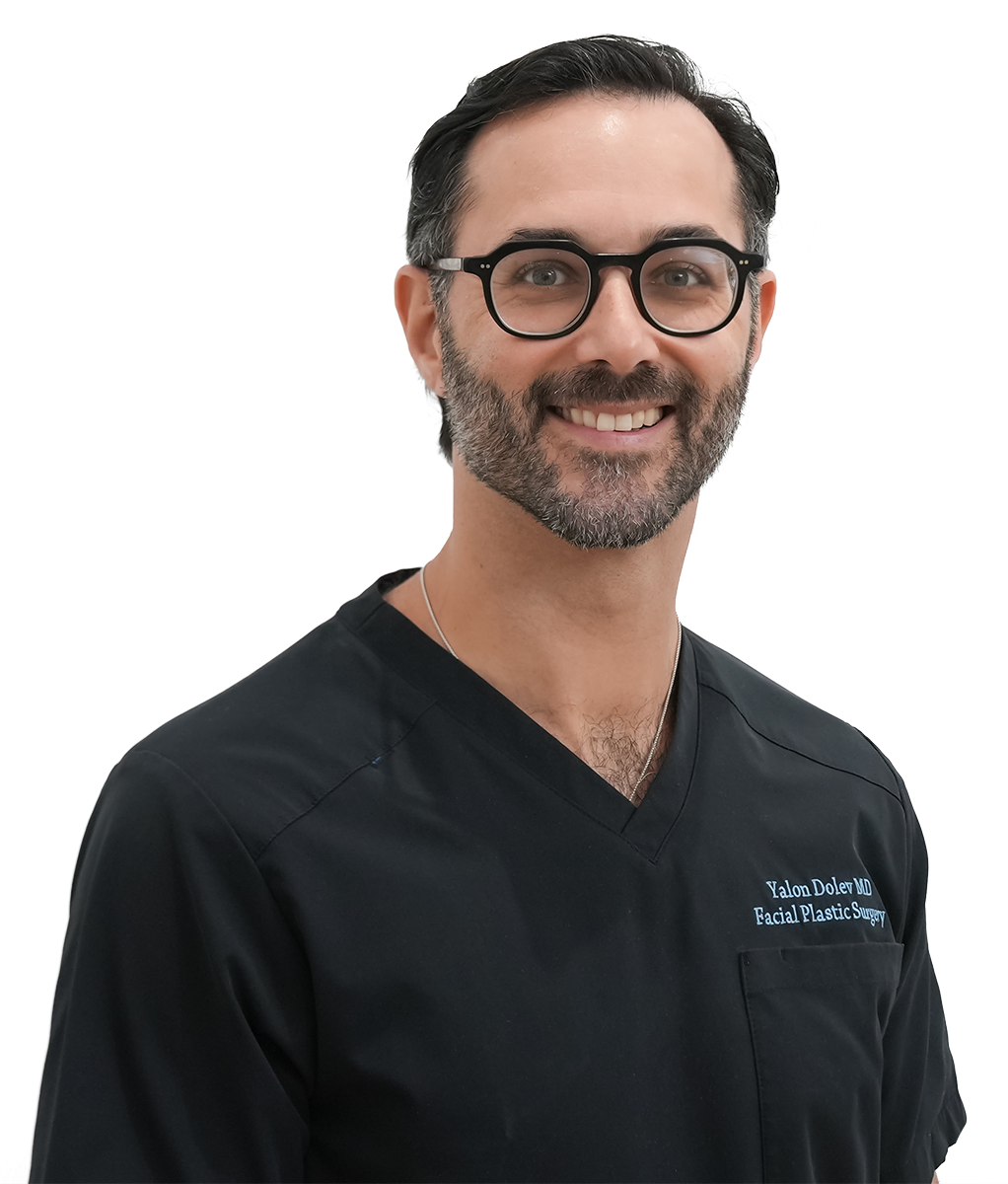
Dr. Yalon Dolev plans facial fat transfer in relation to the whole face rather than treating isolated shadows. A consultation can compare fat transfer, filler, and surgical lifting according to the change a patient wants to address.
Explore Facial Volume Restoration
Meet with Dr. Yalon Dolev to discuss whether fat transfer, dermal filler, or another approach is better suited to your facial anatomy.