
Deviated Septum Correction: Can Rhinoplasty Improve Both Breathing and Appearance?
A deviated septum can narrow one or both nasal passages, but it is only one possible source of obstruction. The nasal valves, turbinates, sidewalls, and external shape can also influence airflow. This is why straightening the septum and reshaping the nose are related procedures, yet they are not the same operation.
Septoplasty focuses on the internal partition between the nostrils. Rhinoplasty changes the nasal framework and visible contour. When functional and aesthetic concerns overlap, a septorhinoplasty may address both during the same surgery.
When the septum affects breathing
Some septal deviations are present from development; others follow injury. Symptoms may include persistent blockage, greater difficulty on one side, mouth breathing, or reduced airflow during physical activity. A deviation seen on examination does not automatically mean it causes every symptom. Inflammation, allergies, and enlarged turbinates can coexist and may require separate management.
The position of the deviation also matters. A bend near the front of the septum can affect the nasal valve and external support, while a deeper deviation may obstruct the passage without being visible from outside.
Why septoplasty may be combined with rhinoplasty
Septoplasty alone may be enough when the outside of the nose is stable and the obstruction is confined to the septum. A combined approach may be considered when the nose is visibly crooked, the valves need reconstruction, an injury has displaced both internal and external structures, or the patient also wants to change the bridge or tip.
Combining procedures allows the airway and shape to be planned as one system. Septal cartilage removed during correction can sometimes be used as grafting material to reinforce another part of the nose. The extent of surgery should still be limited to what the anatomy and goals require.
What improvement can realistically mean
Structural surgery aims to create a clearer, better-supported airway, but breathing is influenced by more than anatomy. Swelling initially makes the nose feel congested, and airflow improves as the internal tissues heal. Ongoing allergy or inflammatory symptoms may still need medical treatment after surgery.
Externally, correcting a crooked framework can improve symmetry, but perfect straightness is not always achievable—particularly after significant trauma or previous surgery. The operation must balance alignment with the need to preserve strength.
Recovery after combined surgery
When septoplasty and rhinoplasty are combined, internal and external swelling contribute to congestion. Splints may be used inside the nose, across the bridge, or both. Patients usually avoid nose blowing, strenuous activity, and pressure on the healing nose. Possible complications include bleeding, infection, persistent obstruction, septal perforation, asymmetry, contour change, scarring, and revision. Combining procedures can avoid two recoveries when both are indicated, but should not add work unsupported by the patient’s goals and examination.
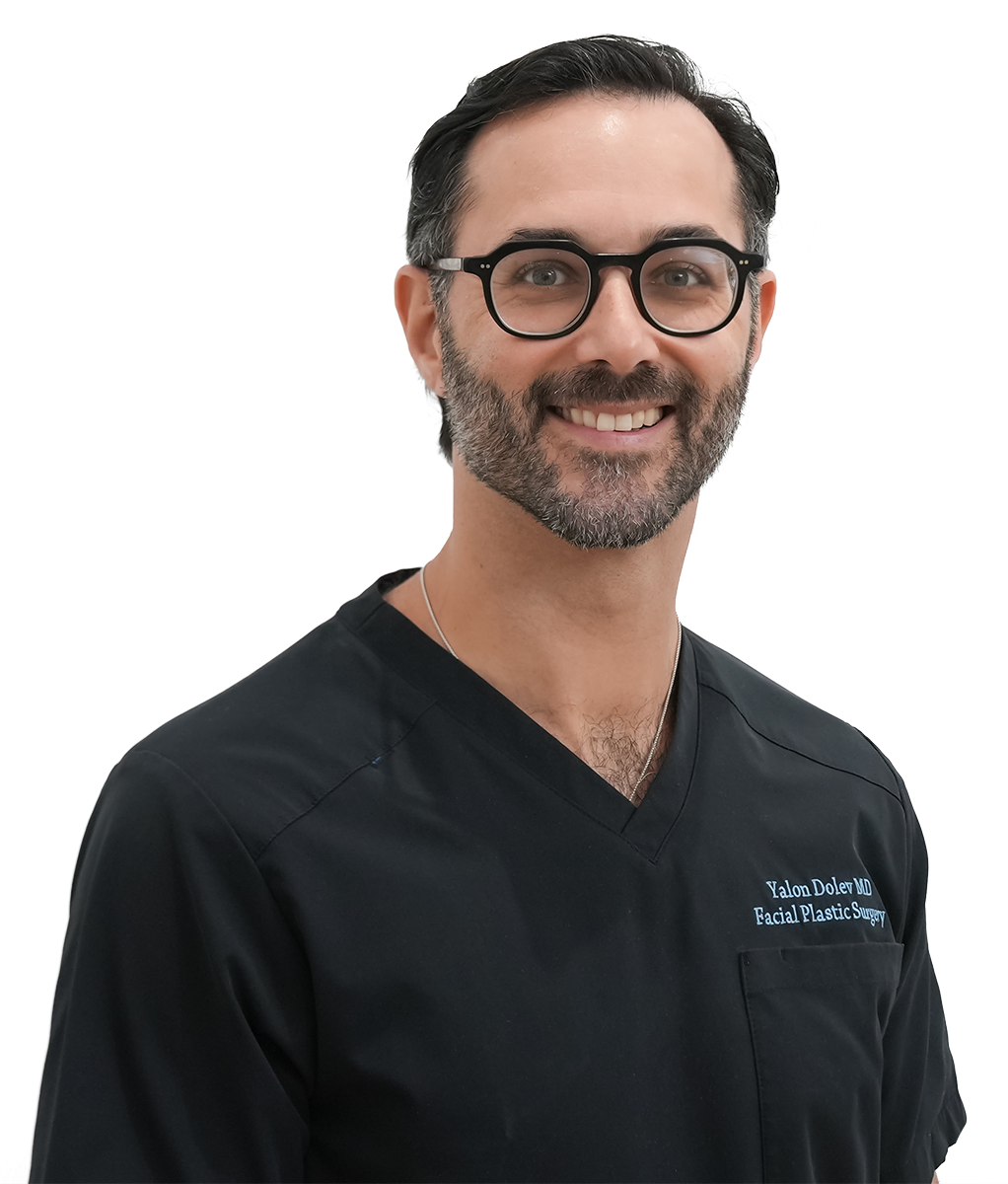
Dr. Yalon Dolev’s background in otolaryngology and facial plastic surgery supports an integrated assessment of nasal breathing and appearance. If a deviated septum is affecting daily life, an examination can determine whether septoplasty alone or a combined rhinoplasty approach is more appropriate.
Have Your Nasal Airway Assessed
Consult Dr. Yalon Dolev in Montréal to discuss whether septoplasty, rhinoplasty, or a combined procedure may address your concerns.