Ultrasonic Rhinoplasty in Montreal: Modern Precision for Natural Results
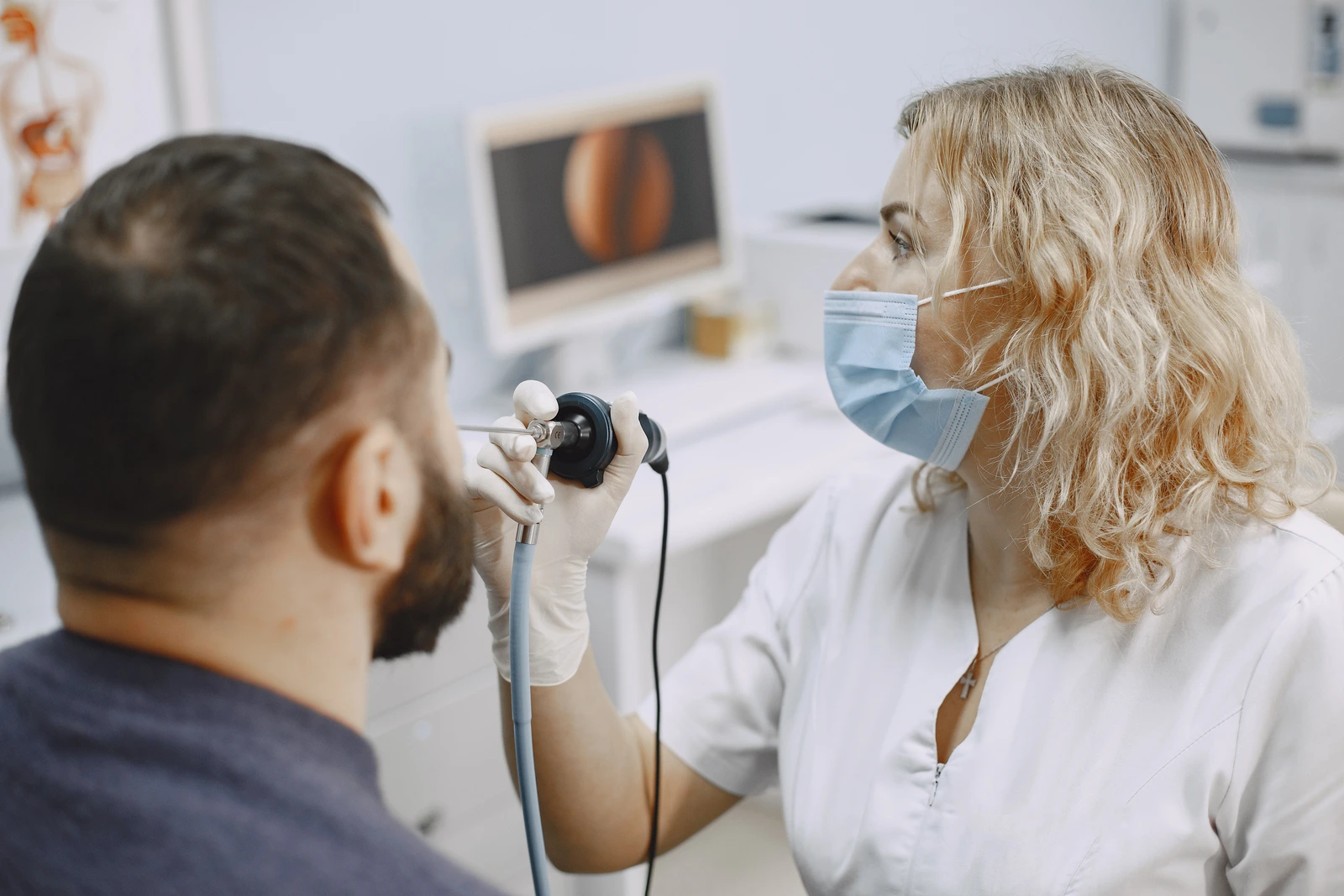
Ultrasonic rhinoplasty refers to the use of piezoelectric instruments for selected work on the nasal bones. The device vibrates at ultrasonic frequency and is designed to cut or contour mineralized tissue while limiting direct injury to nearby soft tissue. It is a tool within rhinoplasty—not a separate philosophy or a guarantee of a particular result.
What the technology can do
Piezoelectric instruments may be used to smooth a bony hump, narrow the nasal bones, or make controlled bone cuts. Their precision can be helpful when small adjustments matter. The surgeon still has to plan the bridge, tip, septum, airway, and structural support as one operation; ultrasonic equipment does not replace those decisions.
Nor is it required for every case. Some noses need little or no bony work, while other corrections are efficiently performed with conventional instruments. Anatomy, access, and the surgeon’s judgement determine whether the technology offers a practical advantage.
What ultrasonic instruments do not replace
The device does not plan the nose, correct cartilage by itself, or determine whether an open or closed approach is appropriate. A refined bony contour can still be undermined by weak tip support, an untreated septal deviation, or a narrow nasal valve. The entire framework must be considered.
Access for piezoelectric instruments can require additional exposure, and not every bony change is best performed with the same tool. Risks of rhinoplasty remain, including bleeding, infection, swelling, asymmetry, contour irregularity, breathing change, and revision. Thermal or soft-tissue injury is also possible if ultrasonic equipment is used improperly, which is why technique and experience matter more than the device’s brand.
Patients comparing methods should ask what part of their operation would use ultrasound and what practical advantage it offers in their anatomy.
Does it reduce bruising or recovery?
More selective treatment of bone may reduce soft-tissue trauma in some operations, but recovery depends on the full extent of surgery. Tip work, grafting, septal correction, skin thickness, and individual healing all affect swelling and bruising. Patients should be cautious about claims of a painless or dramatically shortened recovery.
A splint is generally worn during early healing, and exercise restrictions remain important while the bones stabilize. The bridge may settle before the tip, with refinement continuing for months.
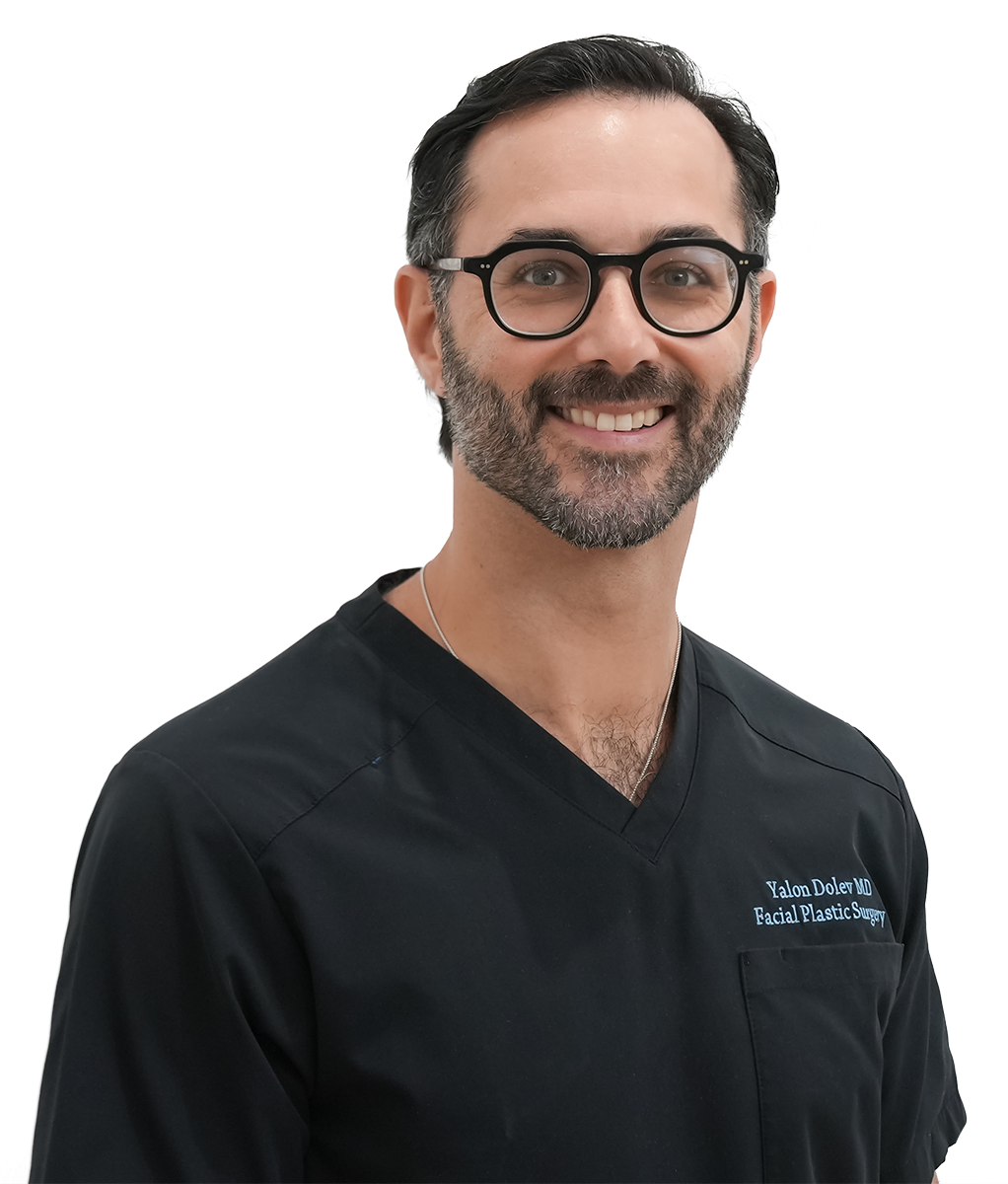
The quality of rhinoplasty depends on diagnosis and execution rather than one device. Dr. Yalon Dolev can explain whether ultrasonic instrumentation is relevant to the bony changes required in a specific Montréal rhinoplasty case.
Ask Whether Ultrasonic Rhinoplasty Is Relevant to Your Plan
Meet with Dr. Yalon Dolev to learn which techniques may provide the appropriate control for your nasal anatomy and goals.