
Why Natural Results Have Become the Gold Standard in Facial Plastic Surgery
“Natural” is one of the most common requests in facial plastic surgery, but it is not a specific technique. It describes a result that fits the person’s anatomy, moves normally, and does not draw attention to the operation itself. Achieving that often requires more planning—not simply doing less.
Faces are recognized through relationships between features. A technically smooth nose can still look out of place if its size, projection, or shape no longer suits the chin and eyes. A tighter jawline may look unnatural if volume, skin quality, and neck ageing are ignored. The procedure has to respect these relationships.
Preservation is not the same as avoiding change
Modern facial surgery increasingly emphasizes structural support and selective repositioning. In rhinoplasty, that may mean maintaining strong nasal support while refining a specific feature. In facelift surgery, it may mean repositioning deeper tissues instead of placing excessive tension on the skin. In blepharoplasty, preserving or redistributing fat can sometimes avoid a hollow appearance.
Natural results also depend on restraint. Not every visible sign of ageing needs correction, and perfect symmetry is neither realistic nor characteristic of a living face. A useful plan identifies which changes will have the greatest effect without creating a mismatch elsewhere.
Why healing is part of the result
Even a carefully planned operation passes through an unnatural-looking stage. Swelling can temporarily distort proportions, scars take time to soften, and the two sides may settle at different rates. Evaluating a facelift, rhinoplasty, or eyelid procedure too early can create anxiety and lead to premature conclusions.
Naturalness also involves function. A nose should remain supported and breathable; eyelids should close comfortably; a facelift should preserve normal expression. These functional boundaries influence how far tissue can be moved or reduced. They are not obstacles to aesthetics but part of a durable result.
Finally, surgery has risks and cannot produce exact symmetry or halt ageing. A restrained plan may lower certain risks, but it does not eliminate infection, bleeding, scarring, nerve changes, or the possibility of revision. Honest language about these limits is central to informed consent.
Communication matters
Photographs, examples, and precise language help distinguish “subtle” from “dramatic,” but no image can guarantee an outcome. Skin thickness, healing, prior surgery, skeletal structure, and facial movement place real boundaries around what surgery can accomplish.
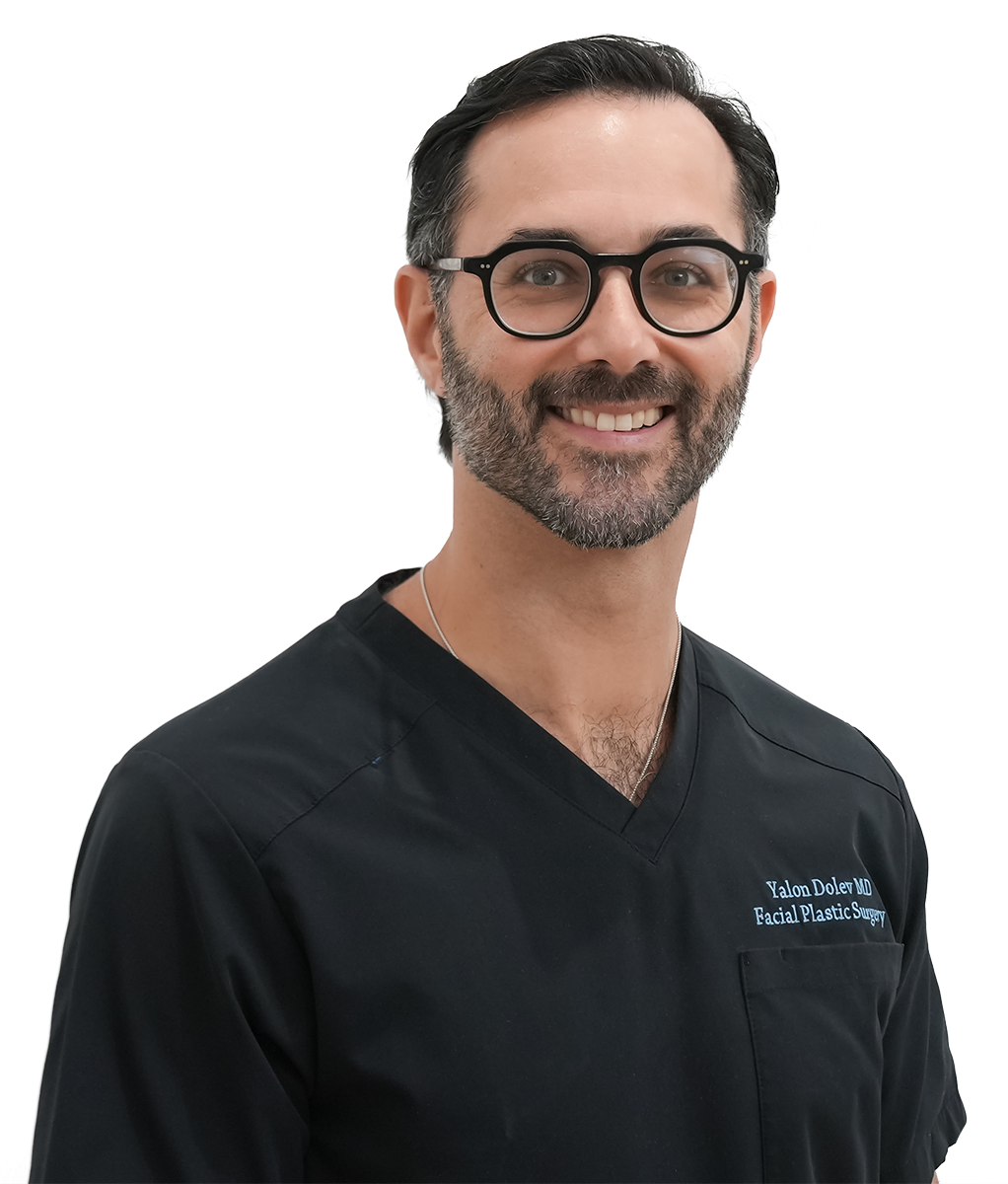
Dr. Yalon Dolev’s approach to facial plastic surgery centres on refining features while preserving identity. The most meaningful consultation is therefore not about selecting a fashionable look; it is about defining a change that remains coherent with the patient’s face.
Consider an Approach Designed Around Your Features
Consult Dr. Yalon Dolev in Montréal to discuss your concerns and what a proportionate, anatomy-based treatment plan could involve.