Functional Rhinoplasty in Montreal: Improve Your Breathing Without Compromising Appearance
Persistent nasal obstruction is not always caused by congestion. A deviated septum, narrow or weak nasal valves, enlarged turbinates, trauma, or loss of structural support can restrict airflow even when allergy treatment is appropriate. Functional rhinoplasty addresses the shape and support of the nose when those structures contribute to the problem.
Because the airway is part of the external framework, functional surgery may also affect appearance. The goal is not to choose breathing over aesthetics, but to plan both together so that improving airflow does not create an unwanted contour—and cosmetic changes do not compromise function.
Finding the source of obstruction
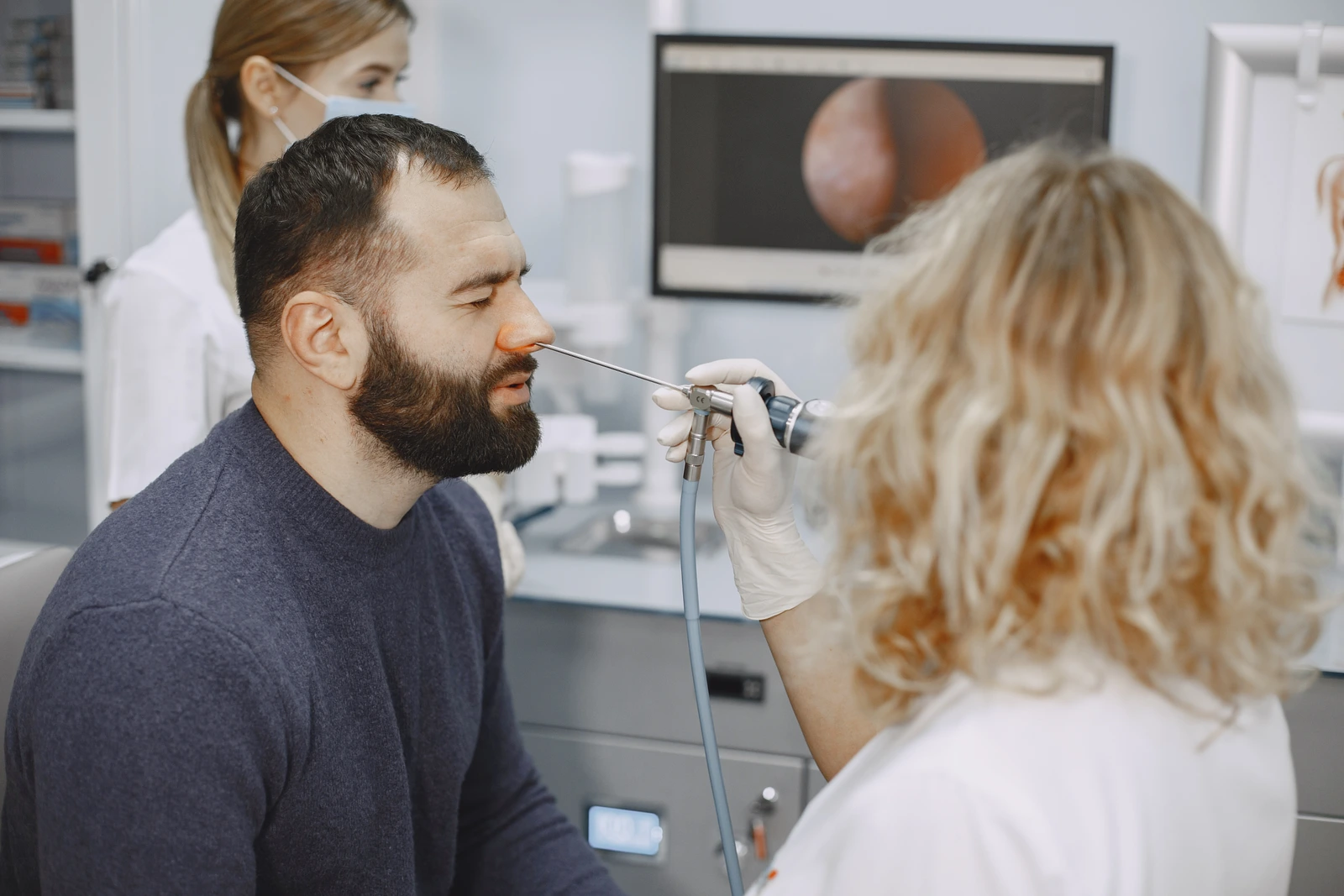
Patients may describe blockage on one or both sides, difficulty breathing during exercise or sleep, or a nostril that collapses with a deep breath. Symptoms can change with position and may have more than one cause. Examination of the septum, turbinates, valves, and outer nose helps identify where resistance occurs.
Not every breathing complaint requires rhinoplasty. Medical treatment may be more appropriate when inflammation or allergy is the main issue. Surgery becomes relevant when anatomy plays a meaningful role and the expected benefit justifies the recovery and risks.
Septoplasty and functional rhinoplasty are different
Septoplasty straightens or repositions the internal wall separating the nasal passages. It may be sufficient when obstruction is primarily septal. Functional rhinoplasty has a broader scope and can reshape or reinforce the outer framework, including the nasal valves and sidewalls. Turbinate reduction may also be considered when enlarged turbinates contribute to restricted airflow.
Depending on the problem, support can be restored with cartilage grafts, sutures, or repositioning of existing structures. If the patient also wants a visible change, functional and cosmetic work may sometimes be combined in one operation.
Healing and breathing changes
Breathing often feels worse temporarily because of swelling, internal splints, and crusting. Improvement is usually progressive rather than immediate. Saline care and follow-up are important, while forceful nose blowing and strenuous activity are restricted during early healing.
No operation can guarantee completely unrestricted breathing. Allergy, inflammation, scar formation, and the natural variability of healing can continue to influence symptoms. A realistic plan identifies the structural contribution and explains what surgery is expected to improve.
What to clarify before surgery
Each proposed step should connect to an examination finding. If septoplasty, valve reconstruction, turbinate treatment, or external straightening is recommended, the patient should know what it is intended to address. Potential risks include bleeding, infection, septal perforation, scar formation, persistent blockage, altered appearance, asymmetry, and additional treatment. Saline care, protection from impact, and follow-up matter because internal healing affects breathing differently at each stage.
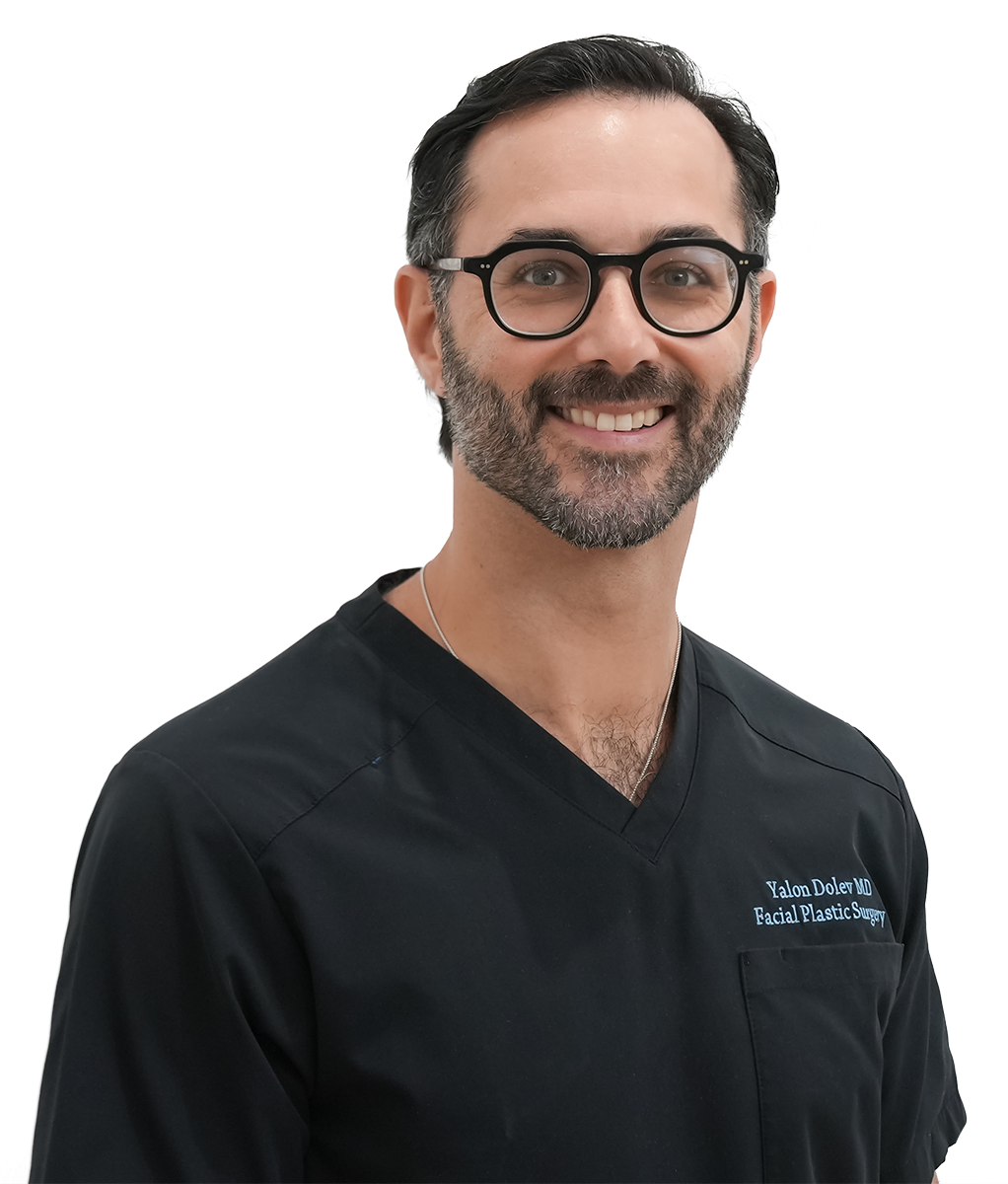
As an otolaryngologist and facial plastic surgeon, Dr. Yalon Dolev evaluates the airway together with the visible nasal framework. Patients considering functional rhinoplasty in Montréal can use a consultation to understand whether the obstruction is structural and which components may need treatment.
Take the Next Step Toward Easier Nasal Breathing
Book an assessment with Dr. Yalon Dolev to identify whether structural nasal issues may be contributing to your symptoms.