Saddle Nose Repair: Restoring Structure and Function
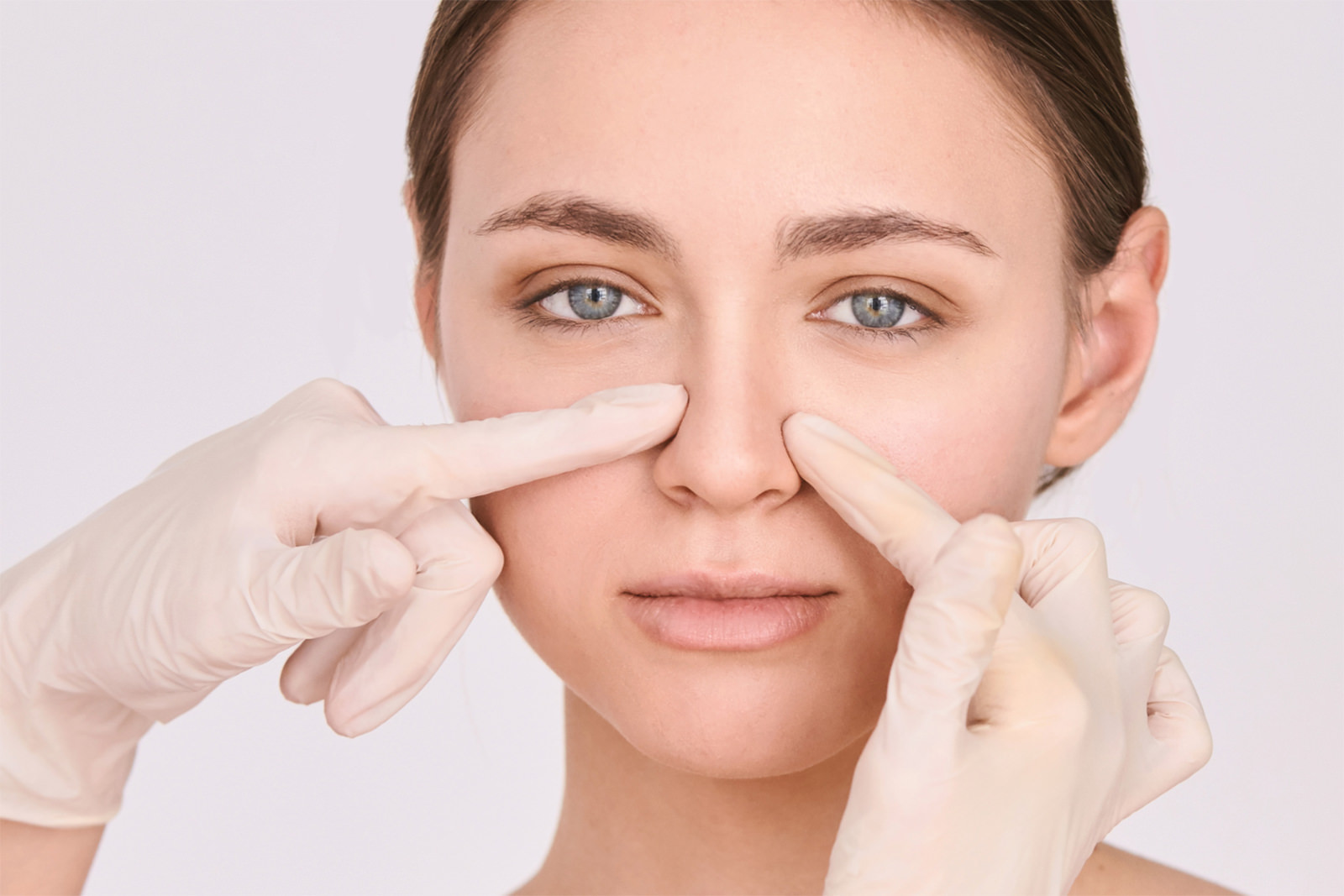
Saddle nose deformity occurs when the bridge of the nose collapses, leading to a concave shape and compromised breathing. This condition may result from trauma, prior surgery, autoimmune disease, infection, or congenital structural weakness. Beyond cosmetic concerns, it often affects airflow and nasal stability.
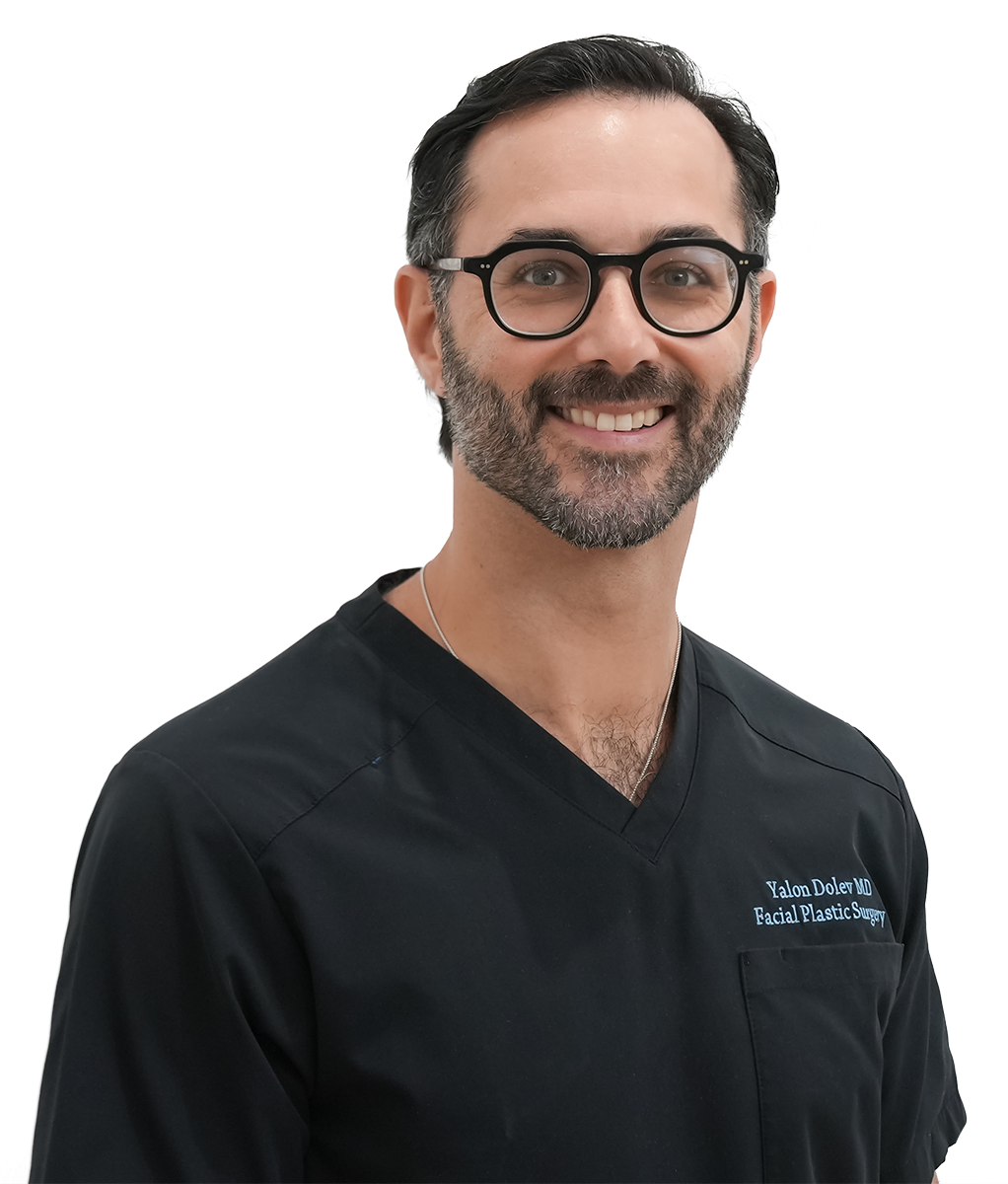
Saddle nose repair is a highly specialized reconstructive procedure that restores height, support, and symmetry to the nasal structure. Dr. Yalon Dolev has extensive training in complex nasal reconstruction, allowing him to rebuild the nose with precision.
Rebuilding the Nasal Framework
The key to correcting saddle nose deformity is strengthening the internal support of the nose. This often involves grafting cartilage to recreate the bridge and support the nasal tip.
Common graft sources include:
- Septal cartilage (if remaining)
- Ear cartilage
- Rib cartilage
Rib cartilage is frequently used for moderate to severe deformities due to its strength and availability. The grafts are sculpted and secured to create a stable foundation that will hold its shape long-term.
Restoring Nasal Breathing
Saddle nose often narrows the internal airway. Repair aims to restore proper airflow by reopening the nasal valves and rebuilding structural support. Patients often notice improved breathing soon after healing begins.
Natural-Looking Results
While the primary focus is reconstruction, aesthetics remain important. The goal is a nose that looks symmetrical, proportionate, and natural in relation to the face. Because every case is unique, planning is fully individualized.
Recovery and Healing
Recovery varies depending on the extent of reconstruction. Most patients can return to light activity within two weeks, with continued improvement over several months. Final refinement may be seen over the course of a year.
Saddle nose repair requires a thoughtful approach grounded in both function and esthetic balance. With expertise in facial reconstructive surgery, Dr. Dolev helps patients regain both confidence and comfort.